


Shopping Guide: Knitwear
When shopping for knitwear, it’s important to know what you’re getting yourself into. This cozy armor—whether it’s a cashmere crewneck, ribbed cotton pants, or a textured wool hat—was designed to keep you comfortable (and, of course, stylish). Our knitwear designers don’t mess around when it comes to quality, craftsmanship, nor uniqueness. They use a variety of design and production approaches, from working with skilled artisans to using plant-based dyes (that some of them even grow themselves!). We are so impressed with these emerging designers that we’ve created a comprehensive guide to showcase their talent. Below we break down everything you need to know about knitwear and what designers are doing what. After reading this, you’ll never have to ask: What is this made of? Where is this made? How is this made? And, most importantly: Will this pill?
Artisan Made
A number of our designers work with skilled artisans from around the world—Peru, Mexico, Nepal, and so on—in order to create their knitwear with the finest materials and techniques whilst supporting a market for fair trade, hand woven, sustainable fashion, and textiles. The majority work with collectsives in Peru that emphasize social responsibility with its procedures and workers. Why Peru? The country has a rich textile history with traditional techniques of hand knitting, macrame, crochet, and hand weaving that continue to prevail to this day. The country has also been breeding alpaca and hand-working the wool—a desired fiber for knitwear (more on that later)—into garments for generations. The designers below work with artisans to support local industries and art forms while making high quality, beautiful knitwear.
ELEVEN SIX
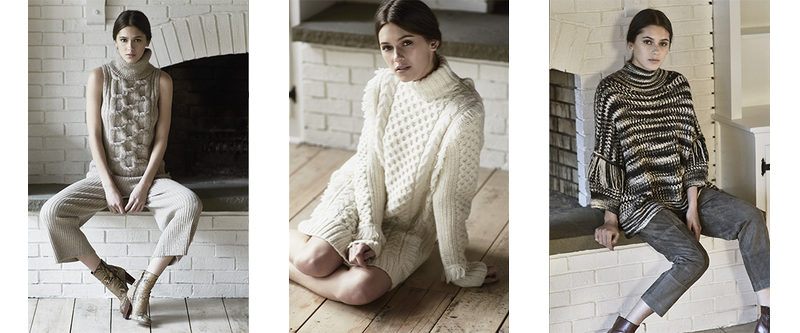
Eleven Six is a knitwear brand that combines contemporary design with traditional Andean knitting techniques. The more eclectic items are handmade by a women’s cooperative of artisans in Peru and Bolivia. These women, empowered and working in an entrepreneurial environment, are dedicated the production of high-quality pieces using traditional textile techniques and hand knitting. Each piece produced by an artisan is one of a kind.
Alpaca
ICYMI, alpaca are kind of having a moment. They’re outperforming their companions, goats and sheep, in the fiber department and here is how: their natural fiber is stronger, softer and warmer than both merino wool and cashmere. Yeah, that’s right, the three qualities you look for in knitwear it’s exceeding in. Not to mention, it’s also resistant to pilling, won’t shrink (if you wash it properly), is hypoallergenic, doesn’t stretch or distort and is water resistant, so spill away! Our emerging designers have taken an appreciation to this wonderful natural fiber, yes for it’s qualities, but also because it’s eco-friendly. Alpacas are known as one of the “greenest” animals, it can produce fleece without being harmed, they are naturally free of lanolin and other oils, which is often found in sheep’s wool, and no harsh chemicals are needed to process their fiber. A win-win. The designers below all use alpaca if not as their main fibre source than often enough to give a high-five to.
The Alpaca Love Continues….
Organic Materials
The crops used for textile and yarn production can be some of the most pesticide intensive crops grown on the planet. As a result, there is a growing wave of talented, mindful knitters that are practicing sustainability by choosing to work solely with organic yarns and natural dyes (keep scrolling for more on that). From cottons to wools, organic yarns are sourced from farms that limit or eliminate the use of chemicals and pesticides on their crops and that provide humane, free range and chemical free conditions for their animals. The results? Smaller batches mean higher quality garments which will last longer than any fast fashion knit; natural yarns contain fewer allergens which feel better on your skin and lead to less irritation; chemical free environments provide safer working conditions for humans; open ranges make for happier sheep; and overall a chemical-free planet is a (much) healthier planet. These garments are guaranteed to make you feel good in more ways that one. Sign us up to be consciously cozy.
More Organic Users...
Natural Dyes
Despite the surge in synthetic dyes and treatments of textiles over the last couple of centuries, it turns out that every shade in the color wheel can be derived from nature! From sea algae to turmeric, there are no shortage of options to get any desired Pantone. Since synthetic dying and treatment of garments are one of the biggest pollutants on the planet (the second largest only to agriculture) we are seeing a resurgence of natural dyers on the scene that are pushing manufactures, large and small, to consider more earth-friendly options. Aside from the obvious environmental benefits, natural dying provides a quality and aesthetic that can’t be replicated, especially when it comes to knitwear. Each naturally-dyed knit is one of a kind with slight variations that develop and patina over time. The garment you have today will be slightly different than the garment you have next year, which is the case with all things natural and we’re all for it.
Colorant
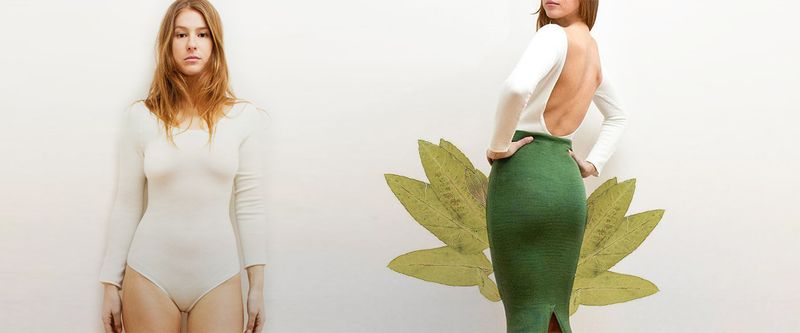
This New York-based label is known for its ancient dyeing methods and use of 100% botanical colors. An example? The Colorant emerald green knit tube skirt is first hand-dyed individually in its yarn form with natural colors extracted from nature—fustic wood overdyed with indigo—then spun onto cones for hand-knitting. We’re impressed. Aren’t you?
The Natural Dye Crew Continues On...
Hand Knit
Hand knit is pretty self-explanatory, and incredibly impressive when you get down to the details of this work. Sans machines, designers create each piece by hand, meaning each is legit one-of-a-kind. For these independent designers, quality over quantity is everything, and their small batch approach to knitwear contributes to the larger sustainable fashion movement. So next time you slip on your handmade, wool, cable knit cardigan or cozy up to your hand crocheted pillow, just think how cool it is that the person you bought it from is the one that made it from start to finish, from the initial design thought to that last stitch. Give a round of applause and meet the designers below that knit their pieces by hand.
Doucement
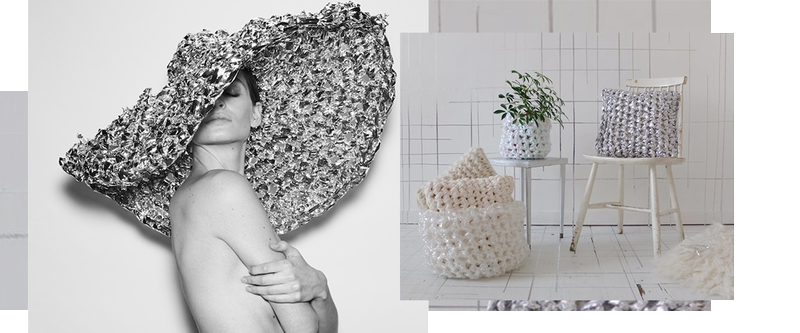
Founded in 2016, Doucement is an independent textile, art, and design studio in Brooklyn. Monica Hofstadter, the talented woman behind the line, makes each piece by hand from beautiful natural fibers and radiant plastics, with the perspective that the artificial should be treated as luxurious and rare. Here you’ll find hand crocheted vessels for storing your goods or housing a plant, hand knit merino wool blankets mixed with soft baby alpaca and mohair to make them extra luxurious, and so much more.
good night, day
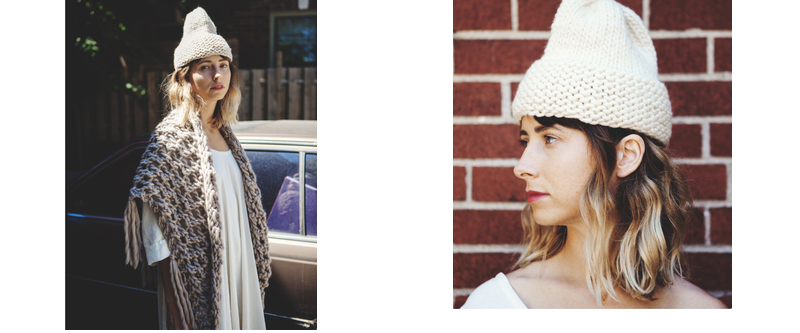
This Canadian brand is independently run by Tara-Lynn Morrison, the brand’s sole founder, designer, and knitter. The Good Night, Day aesthetic emphasizes minimalist design of modern hand knit items using ethically-sourced South American wools. Every limited-edition piece is hand knit and hand worked in-house, in small, exclusive batches—never outsourced.


