


Men's Accessories 101

Accessories! They're practical. They're fashionable. They're the finishing touches to any great outfit. But if you're new to the world of fashion extras, they can also be a bit intimidating. Never fear: We're breaking down the major accessories categories with all the hows, whys, and whens. Dive into our master class, below.
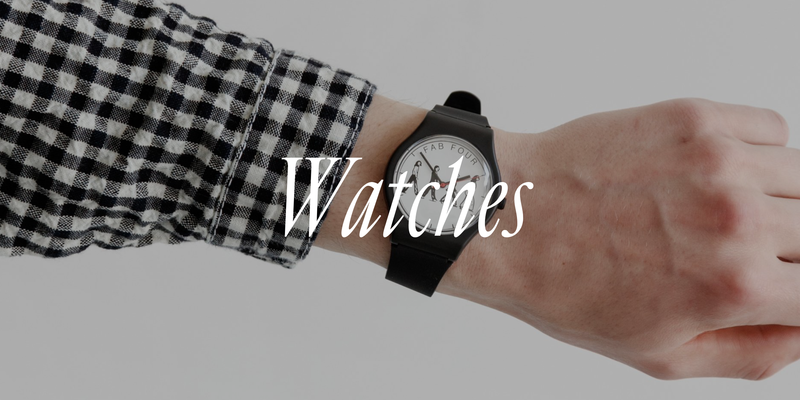
We could write an entire series on all the things to consider when buying a watch, but we’ll keep it brief here. In general, watches fall into two categories: dress and sports watches. Dress watches tend to have a slimmer profile and a leather strap. A sports watch generally has a metal band (called a “bracelet”) that can be swapped out for a rubber band or a fabric strap. As for size, watch faces are measured in millimeters, with about 40mm being the middle ground between smaller models and the chunkier timepieces.
When styling your watch, think about balancing factors like weight (how “heavy” does the watch look compared to your outfit?), color, and occasion. Dress watches tend to skew formal, while sports watches work well for day-to-day.
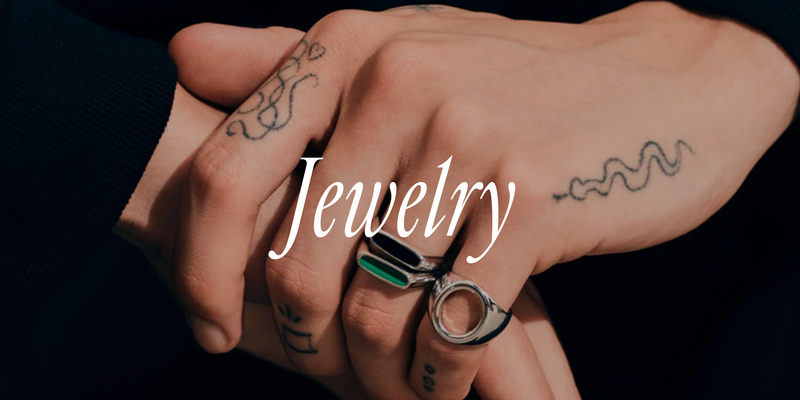
Big thanks to Gen Z for normalizing men’s jewelry in recent years—but it’s one thing to see your favorite TikTocker in a pearl necklace and another to figure out how to incorporate one into your wardrobe. To start with the very basics, jewelry includes necklaces, bracelets, rings, and earrings. From there, the options are nearly endless.
Wearing jewelry is often about balancing different pieces alongside your outfit. For wearing multiple rings, consider the 2-1-1 rule, which means wearing two rings on one hand and a ring plus a bracelet on the other. Bracelets and necklaces can be worn alone or layered, but be sure to mix up the weight and textures. Pay attention to fit as well—bracelets shouldn’t hang too much off your wrist. Necklaces, however, can range from chokers to longer rope styles. Consider how much of the necklace you want to see with your outfit. A standard length for most men is between 18 and 22 inches.
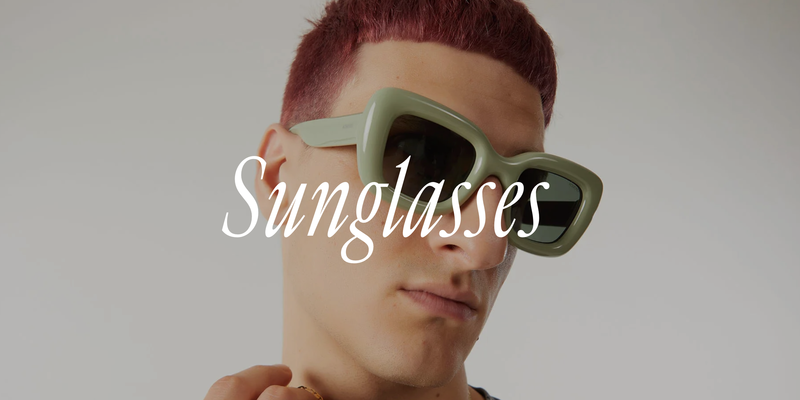
There’s a lot of advice about buying sunglasses based on your face shape, and we aren’t saying that’s the wrong way to go about it, but it might be over-complicating the issue. Instead, we’d suggest choosing styles based on the size of your face. For maximum balance, sunglasses should be roughly the width with a height from the center of your eyebrows to about two-thirds of the way down your nose.
Square frames tend to work for most everyone, but with so many styles out there, you can choose a pair that fits your vibe. Sporty Top Gun look? Try aviators. More mid-century retro? Wayfarers or club masters, for sure. There are sporty wraparounds, colored lenses, and on and on. Most importantly, protect your shades from scratches and breaks by storing them in a case when they’re not in use.
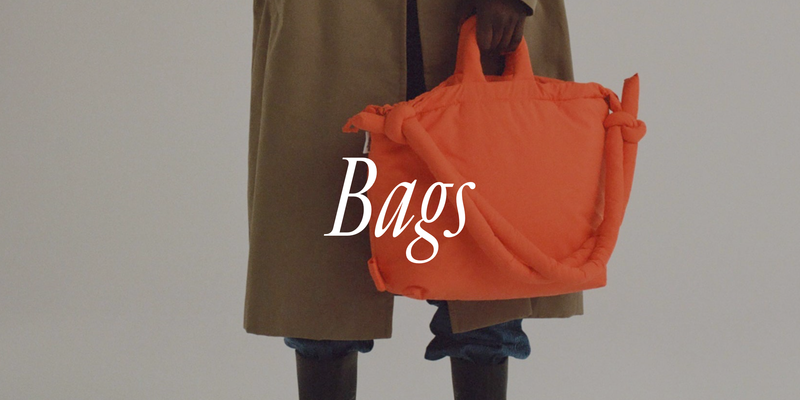
If you don’t have a bag in your wardrobe rotation yet, get ready to change your life. Bags make it easy to carry all your daily essentials in one place, freeing up precious pocket space. Let’s start small with a crossbody or a pouch. This style fits your phone, wallet, and keys but often not much else. Next up is a messenger bag, which comes in a range of sizes, many of which will fit a laptop. Don’t write off your standard tote bag either, it’s not just for groceries. Totes are perfect full-day bags to carry all of the above, plus books, a beach towel, etc. We’re really into seeing more men carry traditional “purses” (psst…bags are unisex, thanks Jacob Elordi). Bulkier shoulder bags and duffels—dubbed “power bags” by GQ—make a statement while also proving entirely practical.


