Chanel Classic Flap, only to find out she’d paid a fraction of the price for what she called a “1:1 mirror copy.” That moment opened a door for me, not just to the world of designer alternatives, but to a surprisingly complex system of replica bag grades, seller codes, and insider language.
Fast forward to 2026, and the landscape has shifted. We are no longer just talking about “fakes.” We are in the era of “Luxe Dupes” and “De-influencing.” As luxury retail prices continue to skyrocket—often detached from the actual cost of craftsmanship—savvy fashionistas have moved toward “Smart Luxury.”
As I started diving into the community—from the legendary archives of RepLadies to Reddit’s DesignerReps and high-gate private Telegram groups—I quickly discovered there’s no universal term for what makes a top-tier replica. Some sellers called it “1:1,” others said “Superfake,” “Mirror Quality,” or “Authentic-Grade.” And then there were “AAA replica bags” and “AAA designer bags”—two of the most enduring phrases used to describe high-quality pieces in the alternative market.
At first, I assumed “AAA” referred to something official, like a certification. But I soon realized there’s no regulatory body for grading. Instead, “AAA” works more like community shorthand.
However, as my sourcing journey deepened into the elite factories of Baiyun, I realized a crucial industry truth: A true, strictly sourced AAA bag is the ceiling for 99% of the market. In 2026, I define AAA replica bags as the ultimate “Superfake.” When mainstream fashion media panics over designer dupes so flawless that they fool boutique Sales Associates, they are talking about this exact tier. Crafted with imported top-grain leathers, exact stitch counts, and heavy full-steel hardware, our AAA flagship is where affordability meets the absolute “Quiet Luxury” standard. It’s the most practical, trustworthy, and undetectable level of luxury alternative for confident daily wear.
(Note: While there is a whispered “Bespoke/Handcrafted” tier that takes weeks to make, it is extremely limited and usually reserved for established VIPs by request only. For almost every discerning buyer, the AAA tier is the final destination.)
The Truth About Industry Buzzwords
As you browse different sellers today, you will constantly see them throwing around flashy buzzwords like “Superfake,” “Super Mirror Quality,” or “Authentic-Grade.” Here is the biggest insider secret most sellers will never tell you: They don’t actually differentiate these terms. Many sellers use these names interchangeably just to convince you they have the “absolute best” and to justify a higher price tag.
In reality, the vast majority of bags labeled with these dramatic buzzwords are exactly what I categorize as our AAA Grade—exceptional, premium mass-produced bags. A small fraction might reach that whispered handcrafted level, but a bag’s true grade is never defined by a verbal code or a fancy marketing name. A seller calling a bag a “Superfake” means absolutely nothing.
The true quality tier is strictly determined by concrete, physical details:
- The Leather: Is it standard domestic cowhide, or is it imported European calfskin?
- The Hardware: Is it cheap electroplated alloy, or dense, heavy full-steel?
- The Craftsmanship: Is it roughly machine-stitched, or does it feature refined, accurate construction?
That’s why, throughout this guide, you’ll see me cut through the noise and use “AAA” as our gold standard. You stop buying the label, and you start buying the specs.
If you’ve ever wondered whether these bags are worth it, how to spot a “Super Dupe” from a mile away, or how to avoid getting scammed by empty buzzwords in 2026, you’re in the right place. In the next sections, I’ll share everything I’ve learned from years of researching, buying, and comparing luxury alternatives across the most elite sellers in the game.
👉 Tired of the guesswork? Click here to read my full quality breakdown and access my trusted supplier’s exclusive AAA and Mastercrafted catalogs.
Table of Contents
What Is a Replica Bag? And What Makes a Bag Truly High-Quality
Before I ever owned one, I had a vague idea of what a replica bag was—probably just a fake purse with a famous logo. But after years of hands-on experience, I’ve learned that replica bags aren’t created equal, and there’s a real craft behind the best ones.
Let’s start with the basics. A replica bag is an imitation of a luxury designer handbag. That includes the shape, materials, logo, stitching, hardware—everything that makes the original iconic. But just like in any industry, replicas range widely in quality.
At the low end, you’ll find bags made with cheap synthetic leather, crooked stitching, and logos that are barely close. These are the $20 market knockoffs you’d find in tourist areas—they scream fake from a mile away.

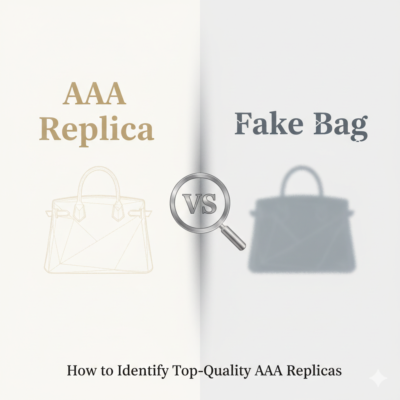
But on the other end of the spectrum, there are replicas so well made that they’re almost indistinguishable from the real thing. These are the bags people call 1:1 replicas, mirror copies, or AAA replica bags—bags that match the size, structure, leather quality, and even weight of the originals.
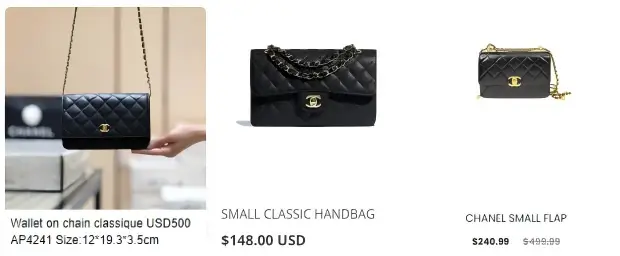
So what makes a replica “high-quality” in my experience?
Here are the five criteria I always use:
- Materials – Genuine leather or premium PU that feels rich and smells natural. Low-end replicas often smell like glue and chemicals.
- Construction – A high-end replica should be firm and structured, not saggy or misshapen. It should stand upright on its own.
- Stitching – Consistent, tight, and clean. Sloppy stitching is a dead giveaway.
- Hardware – Zippers, clasps, and chains should be solid metal—not lightweight or flimsy. The best replicas use engraved logos on hardware.
- Logo Accuracy – Fonts, spacing, and embossing must match the original exactly. A wrong logo makes even a good bag look cheap.
To illustrate how much replicas have evolved, let me share a quick timeline of how replica bag quality has changed in the last few years:
- 2016–2018: Most replicas were easy to spot. Thin leather, noisy zippers, and misspelled logos were common.
- 2019–2021: Rise of “1:1 factory” replicas—many made in the same regions (and rumors say same factories) as the originals.
- 2022–2025: Explosion of high-end replicas with even custom packaging, dust bags, and NFC/RFID chips to simulate authenticity.
In 2025, chips were basic. In 2026, they are a primary focus for AAA factories:
- NFC/RFID Simulation: High-tier replicas for Louis Vuitton and Chanel now feature active NFC tags. While they don’t give you access to the brand’s private database, they are programmed to trigger a “Product Authenticity” pop-up or redirect to the official brand website when tapped with a smartphone, mimicking the boutique experience.
- 3.5mm Precision: Mention that 2026 AAA models now use 3D laser-cutting for leather panels, ensuring that the “Mona Lisa” pocket on a Chanel CF or the alignment on an LV Neverfull is accurate within a 0.5mm margin.
Today, some replica bags are so convincing that only luxury boutique employees or trained authenticators can reliably tell them apart. And that’s exactly why it’s so important to know what to look for—and to know what you’re buying.
A great replica isn’t just about “looking real.” It’s about feeling right, lasting well, and giving you confidence when you carry it.
Exploring the 2026 Trendsetters: Which Brands are Leading the Market?
As we navigate through 2026, the replica industry has reached a new level of specialization. While some factories excel at the structured elegance of Hermès or Chanel, others have mastered the “slouchy luxury” of The Row or the intricate craftsmanship of Loewe’s 180th-anniversary collections.
Choosing the right AAA bag often starts with knowing which brand a specific seller or factory is currently perfecting. For example, the 2026 market has seen a massive surge in the quality of “distressed” leathers for Balenciaga and the hardware accuracy for Gucci’s archival reissues.
If you are looking for a detailed breakdown of which luxury houses are currently the “most-replicated” with the highest accuracy, you shouldn’t miss my latest deep dive:
👉 The Most Popular Replica Bag Brands of 2026: A Comprehensive Review
In that guide, I analyze the top-tier factories for each brand, helping you decide where to invest your “smart luxury” budget this year.
How to Choose the Right Replica Bag for You
A real user’s perspective, practical thinking, and a clear understanding of quality levels.
Even the Best Replica Can’t Be 100% Identical
A lot of people ask me: “Is it really possible to make a replica that’s exactly the same as the original?”
My honest answer: No.
No matter how good a replica is, it can only aim to match the materials, appearance, texture, and craftsmanship of the original as closely as possible.
But a 100% identical copy—especially when it comes to microscopic structure, is practically impossible.
Even the top-tier AAA replicas are extremely close, but still not flawless if examined by professionals.
The Four Quality Tiers of Replica Bags: From B-Grade to AAA-grade and Mastercrafted
To help you understand how to choose, I categorize the replica bags in the market into four main quality levels:
| Grade | Material | Hardware | Accuracy & Details | Price Range | The Verdict (Who is it for?) |
| B/C-Grade (Not Recommended) | Synthetic leather / Stiff PU | Painted alloy, often chips or fades quickly | Rough stamping, bad stitching. Easily recognizable as a fake. | $20 – $80 | Street markets / DHgate stalls. Embarrassing to wear into a boutique. We completely avoid these. |
| A-Grade (Budget-Friendly) | Standard domestic genuine leather / PVC | Electroplated metal, moderate durability | ~60% accurate. Pretty close in shape, but lacks the luxurious texture and weight up close. | $100 – $250 | Great for trying out a trendy style for a season without the heavy investment. |
| AAA-Grade (The “Sweet Spot”) | Imported premium calfskin / cowhide | Full-steel, thick-plated hardware with correct gloss | ~90% accurate. Highly refined, correct logos, and luxurious feel. Indistinguishable to the untrained eye. | $250 – $500 | The best choice for confident daily wear. This is the top tier of mass-produced premium bags in the Baiyun Market. |
| 1:1 Mastercrafted (Handmade Custom) | Original European Tanneries (e.g., Haas, Weinheimer) | 1:1 Heavy-plated, identical internal mechanisms | Uncalloutable. Purely handcrafted, hand-stitched with waxed thread, mimicking the authentic perfectly. | $500 – $1500+ | For the purists. When you want the exact authentic boutique experience without the legacy markup. |
These are the same Louis Vuitton CarryAll Vibe MM from different sellers. I compared them with the authentic one and graded them based on my judgment. Below are the detailed comparison charts of different grades.


👉 For a complete breakdown comparing the Chanel Mini Bag AAA replica to its authentic counterpart, see our Chanel Mini Bag Replica vs Authentic guide
My Bag-Buying Philosophy: Balance Between Realism, Quality, and Budget
For me, choosing the right designer alternative isn’t always about chasing absolute perfection on every single item. It’s about finding the perfect balance between realism, material quality, and the specific purpose of the bag in my wardrobe.
Here are the non-negotiables I personally prioritize when evaluating a piece:
- Material First: I strictly prefer genuine leather. For my high-rotation daily bags, the imported calfskin and lambskin on AAA-grade pieces are fantastic. But for my holy grail bags, I only accept the original European tanneries (like Haas or Weinheimer) used in the Mastercrafted tier. I completely avoid anything that feels plastic-like or overly stiff.
- Hardware Realism: This is the ultimate “tell.” The better the replica, the more accurate the metal components feel and weigh. I look for full-steel, heavily plated hardware. The color tone, the crispness of the engraving, and even hidden details—like the specific dividing lines inside a clasp—are all telling signs.
- Logo and Hot Stamping: One of the easiest ways to spot a mid-tier fake is the stamping. A bad replica often stamps the logo way too deeply into the leather. I always compare it side-by-side with the authentic version—letter thickness, position, font curves, and depth absolutely matter.
- Structure and Stitching: High-quality pieces have a tactile heft and a refined interior that mimic the original even when no brand is visible. They hold their shape and feel “expensive” in your hands. For my top-tier investments, I specifically look for saddle-stitched waxed thread that machine-made bags simply cannot replicate.
- Purpose-Driven Choices (My Golden Rule): This is exactly how I allocate my budget in 2026:
- For fleeting seasonal trend pieces I might wear only a few times, a well-made A-grade ($100–$250) is often enough.
- For high-rotation daily drivers—like a Louis Vuitton CarryAll or a Dior Book Tote—the AAA-grade ($250–$500) is my ultimate “Sweet Spot” for confident everyday wear.
- But for timeless, heirloom investments—like a Chanel Classic Flap or a fully hand-stitched Hermès Kelly—I will only invest in the 1:1 Mastercrafted Custom Tier ($500+). Those are the pieces I can confidently carry into a luxury boutique without a second thought.
Final Thoughts: The Best Bag Is the One That Fits You
I’ve seen AAA bags that were stunning—but didn’t match my style or needs. I’ve also owned A-grade bags that weren’t perfect but were incredibly practical and comfortable for everyday use.
Choosing a replica isn’t just about how “perfect” it is—it’s about choosing what makes sense for you.
Legal and Intellectual Property Considerations in Replica Buying
One of the most common questions people ask me is:
“Is buying replica bags illegal?”
Here’s the honest truth:
Buying one or two replica bags for personal use is not illegal in most countries. But if you resell them, promote them publicly, or try to pass them off as authentic, that’s where you enter illegal territory.
This is a line I’ve learned to respect.
⚖️ Legal Overview: What’s Allowed and What’s Not
| Country/Region | Buying for Personal Use | Reselling / Advertising | Customs Risk |
| United States | ✅ Usually legal | ❌ Illegal (trademark violation) | �� High – CBP may seize/destroy items |
| European Union | ✅ Personal use often allowed | ❌ Commercial activity is illegal | ⚠️ Medium – varies by country/value |
| China | ✅ Tolerated in practice | ⚠️ Gray zone – not strictly banned | ✅ Low – shipments rarely intercepted |
Always consult local regulations. These are based on personal experience and public sources.
From my own experience, I once had a package with two replica Chanel bags seized by U.S. Customs (CBP). The official notice stated they were destroyed due to trademark infringement.
Since then, I’ve learned to:
Only work with sellers who use neutral or custom protective packaging
Avoid large orders that might trigger red flags
Never ask for original-brand boxes or receipts
Truth is, professional sellers know how to “custom-clear” packages properly. They use strategies like code labeling, plain packaging, or shipping through specific routes. These details often make the difference between safe delivery and confiscation.
Customs and Shipping Risks: Why Professional Handling is Key
Customs risks require special handling, and professional sellers can navigate better.
If you’re wondering where to buy replica bags without getting scammed, you’re not alone. I’ve explored almost every possible option—from local sellers in New York to cross-border platforms, to private agents. And here’s what I’ve learned:
There is no perfect “platform” to buy replica bags. The key is building a trustworthy private relationship.
Let me break down the major channels I’ve tested, including what works and what doesn’t—especially for buyers in the U.S.
Local U.S. Replica Market: Chinatown & Fashion Districts
In cities like New York and Los Angeles, you can find replica bags in places like Chinatown or hidden showrooms in the Fashion District. I’ve visited them out of curiosity.
Pros:
- You can touch and inspect the bag before buying.
- Easier to return/exchange if there’s a quality issue.
Cons:
- Prices are 30–50% higher than buying directly from Asia (rent, labor, logistics costs).
- Quality varies wildly. Most products are low to mid-tier; high-end 1:1 replicas are rare.
- Legal risk is high, especially in strict ports like NYC and LAX.
Cross-Border E-commerce: DHgate, AliExpress, etc.
These platforms have become the primary shopping source for many American replica buyers.
Pros:
- Prices are lower (often 30–50% cheaper than U.S. local).
- Wide selection of brands and replica levels.
Cons:
- Quality varies. You must carefully read reviews, check real photos, and avoid generic listings.
- Shipping takes 10–30 days. There’s always a risk of U.S. Customs seizing items.
- You need to understand how to minimize risk:
- Use small parcels (<2kg)
- Keep orders under $800 (U.S. de minimis threshold)
- Avoid strict entry ports like NYC and LAX
- Work only with sellers offering “discreet packaging” or “gift declaration”
Social Media & Private Sellers
This is where I’ve had the most success—but it takes time and trust.
Platforms like Instagram, WhatsApp2, and even TikTok are full of replica sellers. You’ll usually see product photos or videos, then contact them via DM or messaging apps.
Pros:
- Personalized service
- Better access to 1:1 replicas
- Some sellers offer semi-custom services (e.g., hardware finish, leather color)Cons:
- Risk of scams, fake photos, or ghosting after payment
- No formal return/refund process
- Quality depends entirely on the seller’s integrity
Some reliable sellers are linked to physical stalls in China’s Guangzhou Baiyun Leather Mall, such as stall “203,Zone A”, known for having both real shops and websites. These sellers tend to be more stable and transparent.
Personal Agents, Daigou & Secondhand Markets
Daigou (purchasing agent) sellers often claim to offer “authentic” bags but actually sell high-end replicas with branded packaging and fake receipts.
Pros:
- Can access replicas very close to European originals
- Full packaging available for realism
Cons:
- Huge profit margin: buy fake at $100, sell at $1,000 with fake receipt
- Many scams pose as “official” sources
- Logistics may involve “fake tracking” services to simulate overseas delivery
Secondhand platforms like Poshmark or The RealReal may unknowingly list replicas sold as “gently used authentic.”
Even experts have trouble telling them apart—so these platforms carry high risk without official verification or after-sales service.
My Conclusion: A Private Relationship Is Best
After testing all these channels, my conclusion is simple:
The safest, most satisfying way to buy replica bags is through a private, trusted seller you build a relationship with over time.
No platform guarantees safety. But a human relationship built on honesty, transparency, and time-tested trust can.
Replica vs. Original: Can You Tell the Difference?
People often ask me:
“Can you really tell the difference between a replica and the original designer bag?”
My answer?
Sometimes yes. But most of the time, no — not unless you’re a trained expert or working in luxury retail.
After handling dozens of high-quality replica bags and comparing them side by side with originals, I’ve come to realize:
The gap between authentic vs. replica bags is shrinking rapidly—especially with 1:1 or “mirror-quality” versions.
Let me walk you through the main aspects where differences may—or may not—exist.
Visual Comparison: To the Naked Eye, Almost Identical
At first glance, most AAA replica bags or “1:1 fakes” are nearly impossible to tell apart from the real thing. I’ve even brought them into actual stores and laid them next to genuine items—and store staff didn’t notice anything wrong.
Where the differences show (if any):
- Slight font spacing in logos (like Saint Laurent or Gucci)
- Zipper teeth alignment
- Interior stamp clarity
- Dust bag stitching or logo placement
But unless someone is literally holding both bags side by side—and knows what to look for—they’ll never notice.
Touch & Feel: Leather, Weight, Hardware
Here’s where some experienced buyers may catch on—through touch.
Original designer bags often use softer, grain-consistent calfskin or lambskin, while replicas might use high-quality PU or secondary leather. But many AAA replicas now use real leather from the same regions (e.g., Italy, Thailand).
Hardware differences are trickier—some replicas now use electroplated brass that feels almost identical to the original.
Honestly, I’ve owned a real Chanel classic flap and a top-tier replica—and in daily use, they felt 95% the same.
Craftsmanship: Stitch Count & Edge Sealing
This is one of the few “semi-reliable” clues. On some replicas:
- Stitching may be 1-2 mm off in symmetry
- Heat-sealed edges may feel rougher
- Lining might not match the exact fabric of originals
But only under macro inspection—or if you’re obsessively comparing reference photos—will these be visible.
Can the Average Person Tell?
Absolutely not.
Unless someone works in luxury retail or is an authentication specialist, no one at your office, school, or social events will ever notice. And even professionals often need apps or UV scanners to confirm authenticity.
My Real Experience
I once bought a replica Dior Saddle bag from a trusted friend who sources directly from Guangzhou. It cost me $300. I wore it to a fashion-forward event in NYC. Two guests complimented it. One asked if I got it from Bloomingdale’s.
“Fake” to them? No. “Beautiful” was all they saw.
That moment changed how I viewed replica bags—not as deceit, but as design appreciation at a price that makes sense.
For more authentication guides please visit:
- Learn more in our complete Designer Bag Authentication Guide
- Explore more on finishing and stitching in our Luxury Bag Craftsmanship Guide
- See detailed leather comparison in How to Identify Real vs Fake Leather Bag
Replica Bag Market in the U.S.: Local Markets, Cross-border E-commerce, Social Media & Private Channels, Resellers, and Second-hand Markets
After all my trials, mistakes, and discoveries, I’ve been asked the same question more than once:
“Do you think buying replica bags is worth it?”
And my answer isn’t a simple yes or no. It really depends on your purpose, your expectations, and your budget. Let me break it down.
When It Makes Sense to Buy Replica Bags
✅ You want to explore a new luxury style, but aren’t ready to commit $4,000+.
✅ You love designer bags but prioritize variety over branding.
✅ You want a high-quality, everyday-use bag that you don’t need to “baby.”
✅ You understand the ethical/legal gray zone, but decide based on practicality.
For me, buying a few well-made replica bags gave me confidence, style flexibility, and helped me clarify which real bags I actually wanted to save up for.
When You Should NOT Buy Replica Bags
❌ You’re planning to resell them as real—this is unethical and illegal.
❌ You want to flaunt status in a crowd that knows how to spot fakes—you’ll always feel anxious.
❌ You expect official-level warranty or resale value—replica bags have neither.
❌ You’re not emotionally okay with the idea of “not being real”—then you’ll never enjoy using it.
If you’re buying for fun, for styling, or for practicality—replicas can be a smart move. But if you’re chasing luxury validation or worried about others’ judgment, it might not be right for you.
What Replica Bags Can (and Can’t) Do For You
✅ Let you enjoy the design, color, silhouette of luxury
✅ Help you test styles before investing in the real deal
✅ Save money while still expressing fashion taste
But…
❌ They won’t offer official customer service, authentication, or hold resale value
❌ You can’t post them on social media as “authentic” (unless you don’t care)
Know What You’re Getting Into
At the end of the day, the decision to buy a replica bag is yours. What’s important is that you approach it with caution, do your research, and understand both the rewards and risks.
Tips for Choosing Sellers: Trusted Recommendations and Experienced Professionals
After years of experience, I’ve learned some important lessons about buying replica bags—and some valuable tips that can help you avoid mistakes. Buying a replica bag isn’t as simple as clicking “buy now”—there are steps you should take to ensure you’re getting good quality and dealing with a trustworthy seller.
Here are my personal tips to safely and confidently buy a replica bag:
Do Your Research: Seller Reputation is Key
The number one thing I’ve learned? Do not rush into a purchase. Always research the seller’s reputation before committing.
What to look for:
- Reviews: Search the seller’s name online, check reviews on independent forums or social media platforms.
- Sales History: A reliable seller often has a long sales history, even if they’re a smaller seller.
- Return Policy: Ensure the seller has a clear return or exchange policy in case things don’t go as expected.
- Trusted Recommendations: One of the best ways to find reliable sellers is by asking people you trust. If a friend or an online community member has had a positive experience with a seller, it’s worth considering them.
What to avoid:
- Sellers who are very new and have limited feedback.
- Sellers with a “too good to be true” price, especially if the photos look overly polished or generic.
Avoid Payment Scams: Use Secure Methods
In my early days of buying replica bags, I’ve been scammed by sellers asking for bank transfers or untraceable payment methods. These are huge red flags.
Always use secure payment platforms like PayPal, which offer buyer protection. With PayPal, if your bag never arrives or is not as described, you have the ability to file a claim and get a refund.
Pro Tip: I recommend avoiding direct wire transfers or paying in cryptocurrency unless you’re already a trusted buyer-seller duo.
Be Prepared for Delays: Shipping Takes Time
One of the biggest adjustments I had to make when buying replicas online was expecting delays. Shipping from overseas (China, for example) can take anywhere from 10 days to 4 weeks—sometimes even longer.
Things to keep in mind:
- Tracking info: Always request tracking information once your order is shipped.
- Shipping fees: Some sellers offer cheaper shipping rates, but they might come with fewer guarantees. If you want secure and faster delivery, consider paying a little more for premium shipping methods.
I once waited nearly 5 weeks for a bag, but the seller was honest about the delay, and the quality of the bag made it worth the wait.
Inspect the Bag Thoroughly Upon Arrival
Once your replica bag arrives, take your time to inspect every detail. Even the highest quality replicas can have minor imperfections.
What to check:
- Stitching: Look for any loose or uneven stitching.
- Hardware: Examine the zippers, clasps, and other hardware closely.
- Interior: Make sure the lining is clean, and check for any unusual smells or discoloration.
If the bag looks like it was rushed in production or there’s a glaring defect, you have the right to return it. Always keep a record of your communications with the seller in case you need to make a claim.
Avoid Custom Duties & Taxes: Know Your Country’s Import Rules
In the U.S., import taxes or customs duties can be tricky when you’re buying replica products. Most replica bags are categorized under “luxury goods” and may be subjected to seizure or additional duties by customs.
What I do to avoid issues:
- Small parcels: Stick to orders under $800 to avoid customs fees and duties (U.S. de minimis rule).
- Discrete packaging: Some sellers offer discreet packaging that hides the nature of the product.
- Avoid major airports: If you can, avoid having your packages arrive in cities like New York or Los Angeles, where customs inspections are stricter.
Professional Sellers: Another important factor I’ve learned is the importance of working with sellers who have a lot of experience in handling international shipping. Experienced sellers will know the ins and outs of customs regulations and can guide you on how to minimize the risk of seizure or extra fees. Always seek out a seller with a professional track record of successfully handling these situations.
Conclusion: Know What You’re Getting Into
At the end of the day, the decision to buy a replica bag is yours. What’s important is that you approach it with caution, do your research, and understand both the rewards and risks.
How to Verify a Replica Bag’s Authenticity
When buying a replica bag, one of the most important things you can do is make sure the quality matches what the seller promises. Not all replicas are created equal, and the last thing you want is to end up with something that looks fake or feels cheap. Over the years, I’ve developed a process to verify the authenticity of a replica bag based on a few key factors. While these methods won’t give you a 100% guarantee, they can significantly reduce the risk of getting scammed. Visual Inspection: Details Matter
I always start with a visual inspection. Whether it’s a $300 bag or a $1,500 one, certain details never lie.
Key Areas to Inspect:
- Stitching: High-end replicas usually have precise, even stitching. If the stitching is sloppy, uneven, or too thick, that’s a major red flag.
- Shape & Structure: Check the overall shape of the bag. Authentic bags have precise shapes and curves. If the bag looks “off,” it’s worth reconsidering.
- Logo/Branding: Look at the logo. Fake bags often have poorly printed or embossed logos, with font sizes that don’t match the authentic version. Pay attention to small details like spacing, alignment, and font styles.
- Hardware Quality: Real designer bags have high-quality hardware, such as zippers, clasps, and buckles. The metal should feel solid, not flimsy or light.
- Lining & Interior: Check the interior lining of the bag. Premium replicas usually replicate the interior fabrics well. Poorly done linings are often a sign of a lower-quality bag.
The Serial Number & Tags
For many high-end bags, the serial number is key to verifying authenticity. Keep in mind, however, that some fake bags now come with serial numbers. But not all serial numbers are created equal.
What to Look for:
- Location: Authentic serial numbers are typically found in certain locations on the bag, often inside the bag’s main compartment, under the flap, or stitched into the lining.
- Font and Formatting: The font used on the serial number should match the one used by the brand. Authentic serial numbers are not just random—they follow a specific format for each collection.
- Check for a Certifying Card: Some high-end replicas come with certification cards that resemble those from the original brand. While these cards can help, they’re not foolproof, and they can be faked. Still, they are one more point of reference.
Trusting the Seller’s Word: Ask the Right Questions
When in doubt, I reach out to the seller and ask very specific questions about the bag. A trustworthy seller will provide transparent information without hesitation.
Questions to Ask:
- Materials Used: What is the bag made from? If the seller says “genuine leather,” but the texture doesn’t feel like it, this could be a sign.
- Manufacturing Process: Ask how the bag is made. Some sellers who specialize in high-quality replicas will explain their craftsmanship.
- Return Policy: A professional seller will have a clear return or exchange policy in case the bag does not meet expectations.
If the seller is unwilling to provide detailed answers or becomes defensive when you ask questions, that’s a huge red flag.
The Resale Value of Replica Bags: Can They Hold Their Worth?
Many buyers wonder whether replica bags can hold value like the real thing. The answer is complicated. In short, replicas don’t generally hold their value the way authentic luxury bags do. However, certain high-end replicas—especially well-made ones—can still retain some value in niche markets.
Factors That Affect Resale Value:
- Quality and Craftsmanship: Higher-quality replicas made with excellent craftsmanship and attention to detail tend to hold more value.
- Brand Recognition: Some replica bags that replicate famous designs or rare collections might find buyers who value the look and style at a more affordable price.
- Condition of the Bag: Just like authentic bags, the condition of the bag plays a significant role in resale value. Well-maintained, high-quality replicas may resell better than others.
However, it’s important to keep in mind that reselling replicas is legally gray and often not allowed on major resale platforms like eBay and Poshmark. Always verify the platform’s rules before listing any replica item for resale.
FAQs
What does “AAA replica bag” or “AAA designer bags” really mean?
“AAA” is an informal term often used by buyers and sellers to describe the highest quality replica bags, featuring near-identical materials, stitching, and logos compared to the original luxury versions. However, it’s not an official standard.
Is it legal to buy replica bags in the United States?
Buying replica bags for personal use is generally not considered illegal in the U.S., but selling or importing them with the intent to resell can violate intellectual property laws and lead to legal consequences.
Where can I buy the best AAA replica bags safely?
The safest method is through trusted sellers recommended in private groups or forums like Reddit’s DesignerReps or RepLadies. Avoid open marketplaces unless the seller has a strong reputation.
What’s the difference between AAA, A+, and B-grade replica bags?
AAA replica bags are the highest quality, using premium leather and precise stitching. A+ grade has decent quality but lacks fine detailing, and B-grade often uses poor materials with obvious flaws.
Can replica bags pass authentication?
Some high-end AAA replicas can fool basic authentication checks, but professional authenticators or brand specialists can usually detect inconsistencies in materials, stitching, or hardware engravings.
How much do AAA replica bags typically cost in 2026?
If you care about aesthetics, functionality, and affordability—and accept the ethical and legal gray areas—AAA replica bags can offer high value. But they won’t carry resale value or brand legitimacy.
Are AAA replica handbags & AAA replica purses worth buying?
For many buyers,AAA replica handbags & AAA replica purses offer near-authentic quality at a fraction of the cost, making them a practical alternative to designer originals.
Can AAA replica bags in 2026 pass Entrupy (AI authentication)?
While some top-tier AAA replica bags can fool the naked eye with their materials, AI authentication tools like Entrupy can still identify them under a 260x microscope by analyzing the stitch direction and leather cell structure. The main value of replica bags lies in personal enjoyment for daily use, rather than reselling them in the secondary market.
Is there a difference between “AAA Replicas” and “Luxe Dupes” or “Designer Alternatives”?
It’s all about the intent and branding.
Dupes/Alternatives: These terms are highly popular on social media (TikTok/IG) in 2026. Often, a “dupe” is a bag that looks like a designer piece but doesn’t necessarily have the fake logo (like a high-quality leather bag inspired by the Hermès Birkin).
AAA Replicas: These are “true” replicas. They include the branding, the logos, the date codes, and the packaging.
The Confusion: Many people now use the word “Dupe” as a polite euphemism for a replica. If you find a “Louis Vuitton Dupe” that has the LV monogram, it is technically a replica, not just an alternative.
I see some sellers advertising “5A,” “7A,” or even “10A” quality. Does this mean they are better than AAA replica bags?
Honestly? No. In 2026, the “Number + A” grading system has become more of a marketing gimmick than a quality standard. Originally, “AAA” was the peak of the industry. To stand out, some sellers started adding more A’s to sound superior.
The Reality: A bag labeled “10A” by one seller might actually be inferior to a “AAA” bag from a top-tier factory.
The Pro Tip: Instead of counting the letters, focus on the factory name or the specific materials used (e.g., genuine Togo leather or original YKK zippers). In the 2026 market, “AAA” remains the industry-standard term for high-end craft, while anything beyond that is usually just “hype talk.”
What about “Authentic-Grade” or “God-Tier”? Are these just fancy names for AAA?
n short: Yes, 99% of the time, they absolutely are. This is the biggest marketing trap in the alternative market today. Many sellers will slap flashy buzzwords like “Authentic-Grade,” “God-Tier,” or “Lushentic” onto their items simply to justify a massive price markup. In reality, the vast majority of the bags sold under these dramatic labels are exactly what I categorize as our AAA Grade—exceptional, premium mass-produced bags crafted with imported leathers and heavy full-steel hardware.
Is there actually a tier above this? Yes, but it is exceptionally rare. That is the whispered 1:1 Mastercrafted Custom Tier. Those pieces are truly not mass-produced; they are meticulously handcrafted by artisans who have literally dismantled original boutique bags to study their internal stitching, strictly using “Original Leather” (from European tanneries like Haas or Weinheimer). However, this tier is extremely limited, takes weeks to complete, and is generally reserved “by request only” for established VIP collectors.
So, when a standard seller publicly promises you a “God-Tier” or “Authentic-Grade” bag ready to ship, they are almost certainly handing you a high-quality AAA bag with a 300% markup. Don’t fall for the hype. Our AAA flagship gives you that exact top-tier, uncalloutable daily wear experience without the inflated fake marketing price tag.
Why is everyone in 2026 talking about “Mirror Quality”?
“Mirror Quality” (or Mirror Copy) means exactly what it sounds like: the bag is a structural reflection of the original. If you put the replica and the authentic bag side-by-side, you shouldn’t be able to tell the difference in silhouette, stitch count, or hardware placement.
In 2026, true “Mirror Quality” is considered the strict baseline requirement for any bag claiming to be our AAA-Grade. It guarantees the geometry and visual details are spot-on. However, keep in mind that while a Mirror Quality AAA bag captures the exact look and shape for daily wear, upgrading to the Mastercrafted tier is what gets you the exact feel, weight, and smell of the authentic European tannery leathers and full-steel hardware.
Curious Where I Get My Bags? At Reinaluxe.co, we share insights and background information about AAA replica bags based on long-term industry exposure. I get asked all the time where the gorgeous bags I review come from, and the secret is out: ALL of the items discussed on this site are connected to Cyan, a college friend whose family has operated a long-standing booth in the Baiyun Leather Market in Guangzhou.
With years of hands-on experience, her family is deeply familiar with materials, craftsmanship, and quality standards within this niche. If you want to shop the exact same premium pieces I feature, I’ve set up a dedicated page with all her catalogs and my personal quality guide. 👉 Click here to explore my exclusive sourcing and shop with Cyan!
Finnaly
I didn’t write this article to glamorize replicas or convince anyone to buy them. I wrote it because the replica world exists—and it’s far more complex, nuanced, and real than most people realize.
I used to feel conflicted, even ashamed to talk about it. But the more I learned, the more I saw that many buyers aren’t chasing vanity—they’re just looking for ways to express style and confidence on their own terms and budget.
In a world where the lines between real and fake are blurred, what we need most is clarity, honesty, and freedom from shame.
This article is here so you can stop feeling afraid to be curious, and start making informed decisions without falling for hype or scams. Whether you choose replicas or not is entirely your call. My job is simply to tell you the truth—clearly and unapologetically.
For readers who want a complete reference, we also prepared a Hermès bag replica overview guide that combines craftsmanship comparison, leather analysis, and authentication points across all major Hermès bags.
17 comments
Great read! The article gave me confidence to start exploring replica handbag stores online. It’s nice that you also mention the customs and payment risks — not many guides do that.
Thanks, Jess! We want every reader to shop smartly and safely for 1:1 replica handbags. We’ll soon launch a trusted-seller list with verified user feedback.
This guide is super informative — I didn’t realize how much detail goes into a good replica purse. The section about leather types and craftsmanship was really helpful for me as a first-time buyer.
Thanks, Mia! We believe understanding materials is key when buying AAA replica purses. We’ll keep expanding the leather comparison part to help readers identify quality better.
I just finished reading this AAA replica bags guide and it’s honestly one of the most detailed ones I’ve seen. The breakdown between replica handbags and authentic designer purses really helped me understand what to look for.
Thank you, Emily! We’re happy you found the guide useful. Our next update will include a new section comparing 1:1 replica purses from different brands — stay tuned!
Finally a realistic article about luxury replica handbags! I like that you explained the difference between AAA replica quality and cheaper grades. Most sites just try to sell. This one actually teaches people what to check.
Appreciate your comment, Kevin. Our goal is to make replica bag shopping more transparent and safe. We’ll soon add examples showing how AAA replica handbags differ in stitching and hardware.
Love the clear layout of this guide. It feels honest and educational, not pushy. The way you explain AAA replica bags versus authentic purses makes so much sense.
Thank you, Laura! We always aim to share balanced, fact-based information about luxury replica purses and handbags. More visual comparisons are coming soon!
This article explains AAA replica handbags so clearly! I’ve been looking for reliable places to get a replica purse that actually looks authentic. Do you have any seller recommendations?
Thanks Emily! I’m glad you found it helpful 😊 I’ll soon be publishing a list of trusted AAA replica bag sellers — stay tuned and check back for updates!
Do you think AAA replica handbags are really worth it compared to mid-tier ones? I’m curious if the extra price makes a big difference.
Hi Rachel — definitely a smart question. For most buyers, AAA replicas deliver a visibly better look and feel. I’ll share a value comparison chart soon 📊
I noticed you mentioned craftsmanship. Does the leather on AAA replica bags age like authentic Hermès or Chanel ones?
Good eye, Isabella 👀 — some AAA replicas use top-grain leather that patinas over time, though not as richly as genuine Hermès. I’ll explore this in an upcoming post!
hello